

Provenance
Estate of the Artist, Toronto
Mira Godard Gallery, Toronto
A. K. Prakash & Associates Inc.,
Masters Gallery, Calgary
Private Collection
Literature
David P. Silcox, “Painting Place: The Life and Work of David B. Milne”, Toronto, 1996, page 59 David Milne Jr. and David P. Silcox, “David B. Milne: Catalogue Raisonné of the Paintings, Volume 1: 1882-1928”, Toronto, 1998, listed and reproduced page 125, no. 105.96
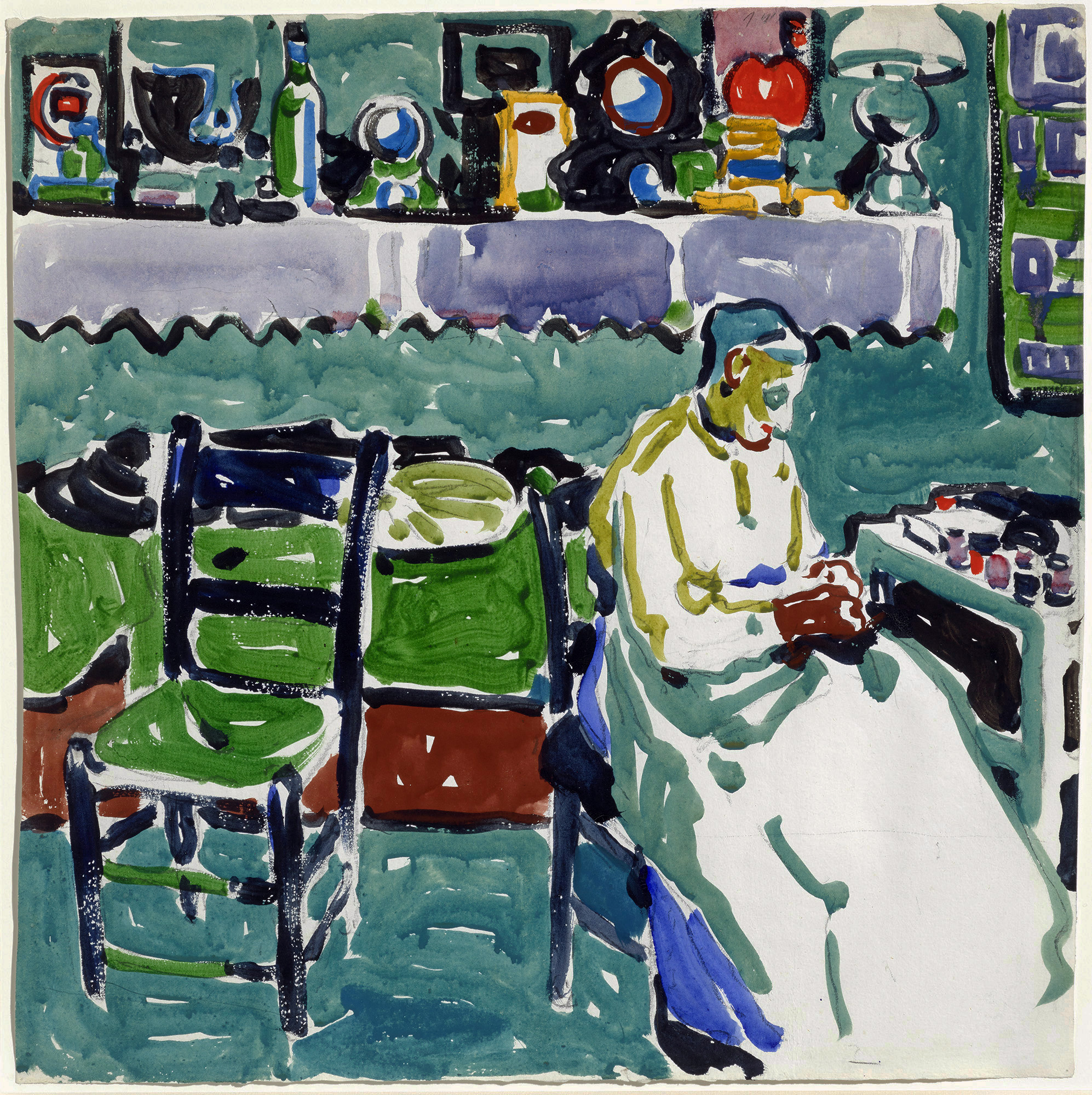
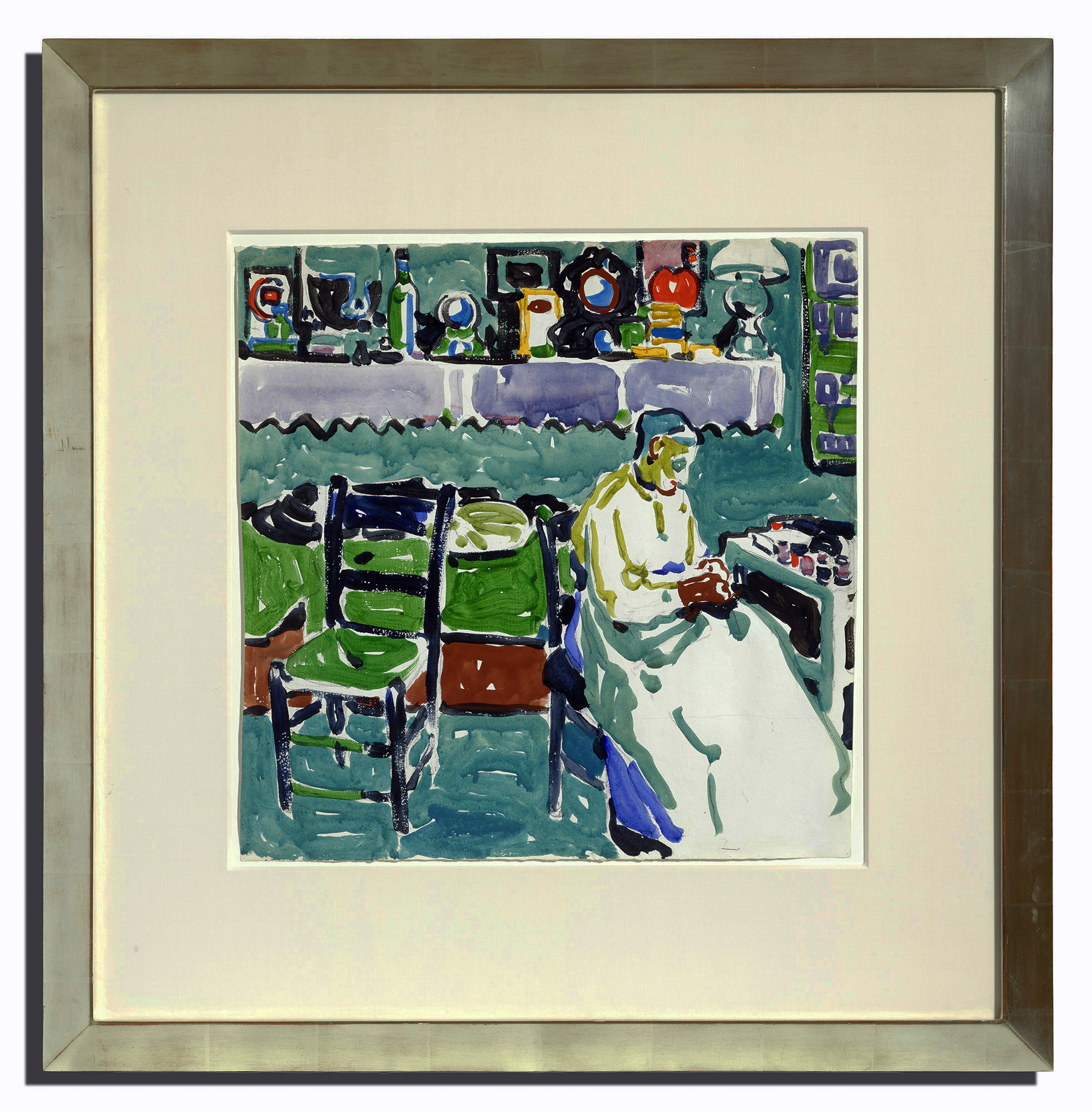
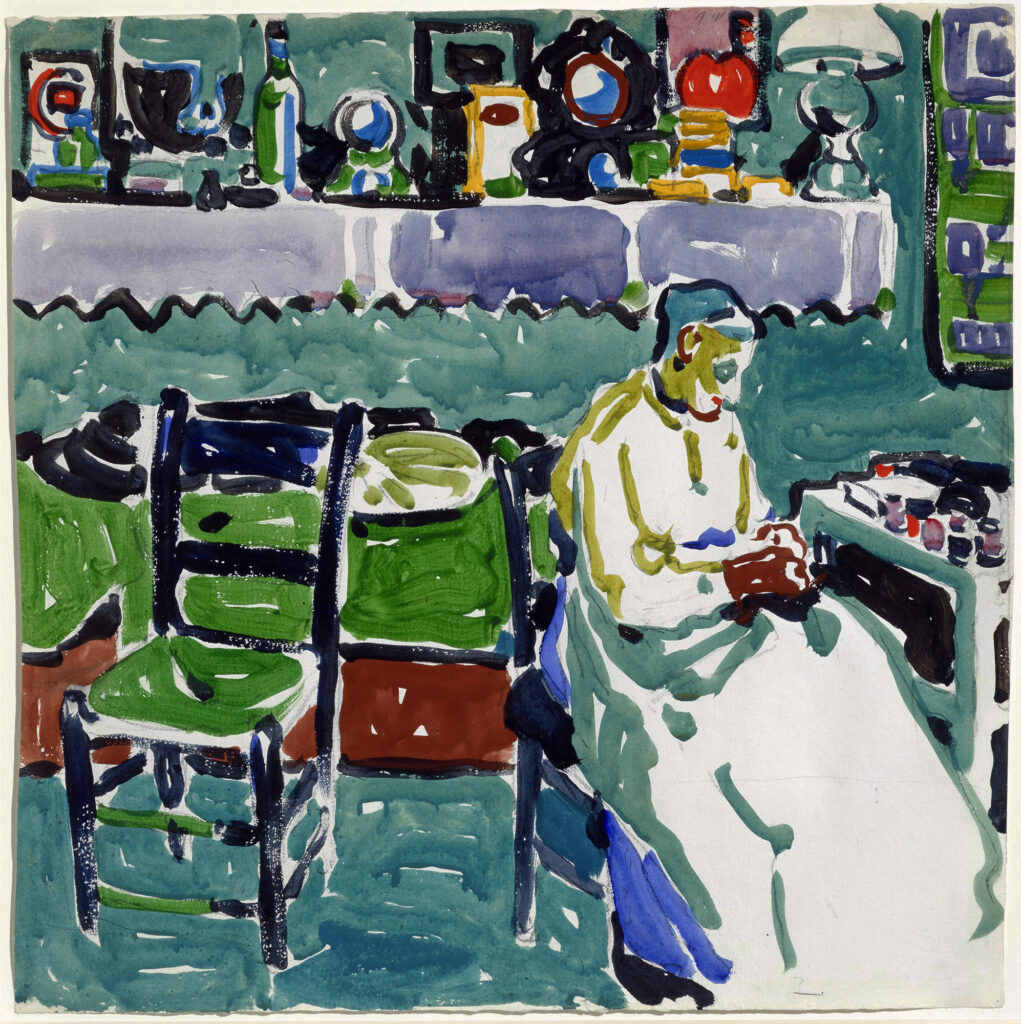
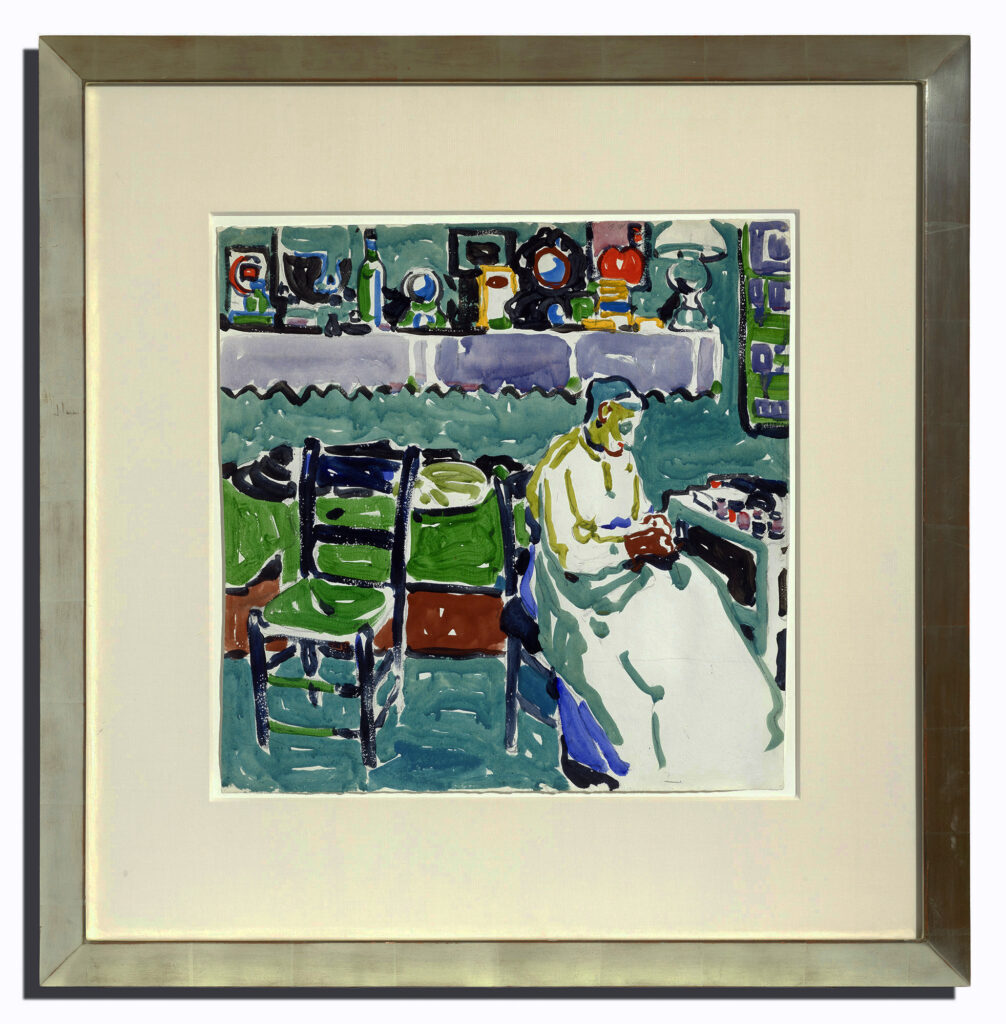
In 1913, five works by David Milne were included in the Armory Show in New York. Milne was the sole Canadian artist to be featured in the pivotal avant-garde exhibition, which served as the controversial introduction of modern painting to a vastly wider audience. That same year, Milne took a three-week holiday away from the city in West Saugerties. Located directly north of New York City, and just west of the Hudson River, the village is nestled in low, rolling hills which rise into the Catskill Mountains. Milne found the brief sojourn so beneficial, that the following year, he transferred his belongings into storage and moved with his wife, Patsy, to West Saugerties for the summer. The larger town of Saugerties could be reached from New York by train. The Milnes rented a modest cottage eleven kilometres away, accessible either by horse and buggy, or on foot. The small cabin lacked heating, and the couple lived, and slept, mostly outdoors. Milne embraced the rustic setting with enthusiasm, building a large stone fireplace for cooking, and an outdoor table with shelves in the trees by a nearby stream. Eagerly adapting to a rural lifestyle away from the frantic bustle of the city, Milne settled into a routine which incorporated time for painting, practical work and recreation. On Sundays, Milne would walk to Saugerties, indulge in a hamburger, and buy a newspaper. Word of the outbreak of war in Europe would have reached Milne on one of these day trips. Milne’s landlady, Mrs. Meyers, lived directly across the street from the cottage, and the artist painted her several times. Meyers is believed to be the sitter of “Saugerties Interior II”. Building on the influence of Henri Matisse and Édouard Vuillard, Milne experimented repeatedly with the motif of a seated figure in an interior setting. Flattening the pictorial space, the artist has constructed a dense composition with lively brushwork and flat areas of colour. The sitter has been depicted with radical simplicity and the expert use of negative space. Milne’s paintings of the period often utilized dense, all-over patterning, contrasted sharply with carefully considered white areas, which Milne considered “dazzle spots”. “Saugerties Interior II” bears a similar composition to one of Mine’s “most acclaimed oil paintings of the period, “The Black Couch” (Private Collection). Both paintings feature a female sitter in an interior, depicted with a compact patterning of brushstrokes. Both compositions also incorporate a shelf or table with a clutter of objects crowded along the top of the picture. In the watercolour, Milne appears to have particularly enjoyed painting the various household items lined up on a table at the top of the picture and on a small table by the sitter. Notably, the figure has received far less painterly detail. Milne’s summer in West Saugerties was not only artistically fruitful, but also marked the beginning of a new commitment to his life-long artistic mission. Art historian David Silcox wrote, “The lengthy stint of uninterrupted painting at West Saugerties fortified Milne’s decision, two years later, to forsake commerce and devote himself solely to painting. Over the summer he produced nearly seventy paintings in oil and watercolour, nearly one a day. All convey an impression of wild and colourful excitement. It is not the colour, but his loose and flowing brush strokes, and his control of shapes, that create this impression, for he continued to work with a tightly restricted palette.”